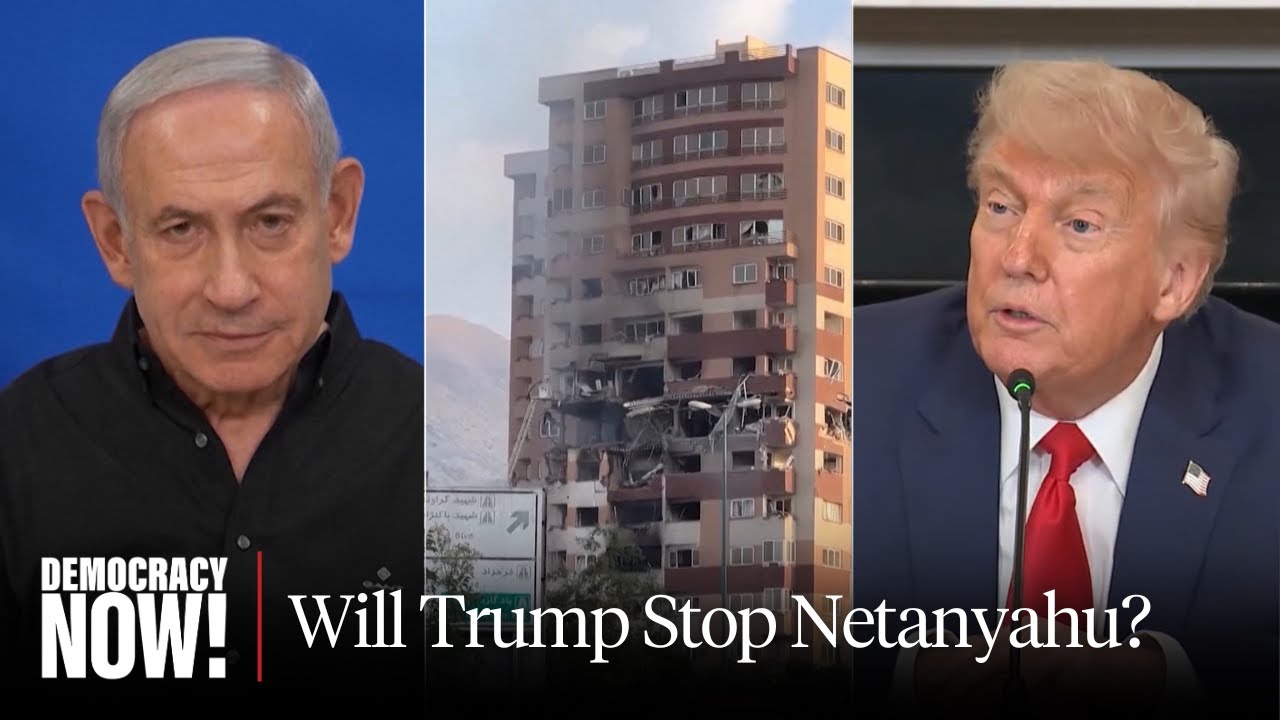
US Enters Iran War: Trump's Surprise Attack Ignites Global Escalation
The Middle East, a region already grappling with decades of complex geopolitical tensions, has witnessed a dramatic and unexpected escalation, as the United States formally entered the conflict between Israel and Iran. Following more than a week of intense exchanges between Tehran and Jerusalem, the world watched in astonishment as the American government launched a surprise attack on key Iranian nuclear facilities. This decisive move by the Trump administration, defying earlier pledges, has triggered a new wave of retaliation from Iran and fundamentally reshaped the dynamics of the conflict, ushering in an unprecedented escalada guerra irã that threatens global stability.
The Swift and Decisive US Strike on Iranian Nuclear Sites
In a move that caught diplomats and political observers off guard, the United States executed precise strikes against critical Iranian uranium enrichment facilities. Targets included the highly fortified sites of Fordow, Natanz, and Ishafan. The operation, announced publicly via social media, confirmed the successful deployment of a "full charge of bombs" on the primary target, Fordow, with all US aircraft reportedly returning safely after the mission. The announcement marked a stark departure from President Trump's previous stance, where he had indicated he would take up to two weeks to decide on direct involvement and had primarily emphasized a defensive role for the US in supporting Israel.
Secretary of Defense Pete Hegseth, in a subsequent press conference, asserted that the US did not seek war but acted decisively in response to a perceived threat. He clarified that the operation was meticulously focused on Iran's nuclear infrastructure, which was reportedly "completely devastated," while explicitly avoiding targeting Iranian soldiers or the civilian populace. Despite these assurances, the strategic implications of striking such sensitive sites are immense, signaling a profound shift in the conflict's trajectory.
Trump's Policy Reversal and Domestic Political Fallout
President Trump's decision to launch these attacks represents a significant reversal of his 2024 electoral campaign promises. Throughout his bid for the presidency, Trump had frequently championed a platform of non-interventionism, vowing not to embroil the US in new foreign conflicts. He had also pledged to broker immediate peace agreements in both Gaza and Ukraine upon assuming office. Yet, just five months into his new term, the US finds itself directly engaged in a fresh theater of battle, with no visible progress on his promised peace initiatives. This sudden pivot has ignited fierce debate domestically.
Democrats were quick to condemn the move, immediately raising concerns that the Republican president had initiated military action without the requisite approval from the American Congress. This constitutional flashpoint highlights the deep divisions within US politics regarding military engagement and executive power. Israeli Prime Minister Benjamin Netanyahu, however, lauded Trump's actions, calling the US strike "history-changing." Netanyahu praised the Americans for taking unprecedented steps to "stop the world's most dangerous regime," a clear reference to Iran, underscoring the strong alliance and shared strategic objectives between Washington and Jerusalem.
Compounding the gravity of the situation, President Trump also issued a direct and public threat to Iran's Supreme Leader via the Truth Social network, demanding "unconditional surrender." He stated, "We know exactly where the so-called 'Supreme Leader' is hiding. He is an easy target, but he is safe there. We will not kill him, at least not for now. But we don't want missiles fired at civilians or American soldiers. Our patience is running out." Parallel to these verbal warnings, the US military has reportedly been observed moving its forces globally, signaling a heightened state of readiness and a clear intent to project power.
Deep Roots: Historical Context of the Iran-Israel Conflict
To fully grasp the magnitude of the current escalada guerra irã, it's essential to understand the decades-long animosity and proxy conflicts that characterize the relationship between Iran and Israel. This is not a sudden eruption but rather the culmination of a protracted struggle for regional dominance and security. Historically, Iran has significantly increased its support for various non-state actors, notably Syria and Hezbollah in Lebanon, which Israel views as direct threats to its northern borders.
Israel, in turn, has consistently sought to thwart Iran's efforts to arm these groups, engaging in numerous covert and overt operations. The 2006 Lebanon War, which ended in a military stalemate, underscored the deep entrenchment of Hezbollah and its Iranian backing. Furthermore, the ongoing Gaza-Israel conflict, which intensified in June 2006, is another dimension of this broader regional struggle, often fueled by Iranian support for Palestinian militant groups.
A central pillar of the conflict is Israel's unwavering determination to prevent Iran from developing nuclear weapons. Despite Iran's consistent claims that its nuclear program is for peaceful purposes, Israel and many Western nations remain deeply skeptical, viewing any Iranian enrichment capabilities as an existential threat. This long-standing concern has driven countless diplomatic efforts, sanctions, and alleged sabotage operations. Meanwhile, Iran has steadily worked to develop a sphere of influence across the Middle East, expanding its reach through political, military, and economic means, further fueling regional rivalries and contributing to the volatile environment that has now drawn in the United States directly.
Global Implications and Future Uncertainties
The US entry into the Iran-Israel conflict represents a perilous gamble with profound global implications. The immediate aftermath saw Iran launch a new volley of missiles towards Israeli territory, injuring at least 86 people. While Israel's defense systems reportedly intercepted the majority, the attacks served as a stark reminder of Iran's capability and willingness to retaliate. The Israeli military itself admitted that its territory was targeted and advised citizens to seek shelter, indicating the seriousness of the situation on the ground. This ongoing exchange underscores the potential for rapid and uncontrollable escalation.
Beyond the immediate human cost and regional instability, a full-blown war involving the US, Israel, and Iran would have cascading effects worldwide. Global energy markets would face immense disruption, potentially sending oil prices soaring and destabilizing economies already grappling with inflation. International shipping lanes, particularly through the Strait of Hormuz, a critical chokepoint for global oil supplies, would be severely threatened. Diplomatic efforts to de-escalate other conflicts, such as the war in Ukraine, could be sidelined as the international community redirects its focus and resources to the Middle East.
The situation also poses a severe challenge to international law and established norms of engagement. The US striking sovereign territory without clear Congressional approval raises questions about accountability and the potential for a precedent that could undermine global stability. For individuals, staying informed about reliable news sources and understanding the complex history of the region is crucial. While practical "tips" in such a macro-geopolitical crisis are limited, awareness of potential economic impacts, travel advisories, and the broader humanitarian consequences remains vital.
The sudden and direct intervention of the United States in the Iran-Israel conflict has undeniably ignited a new and dangerous chapter in Middle Eastern geopolitics. President Trump's surprise attack on Iranian nuclear facilities, followed by immediate Iranian retaliation, has transformed a regional proxy war into a direct confrontation involving a global superpower. As the world grapples with this unprecedented escalada guerra irã, the path forward is fraught with uncertainty, demanding cautious navigation from all global actors to prevent an even wider and more devastating conflict.